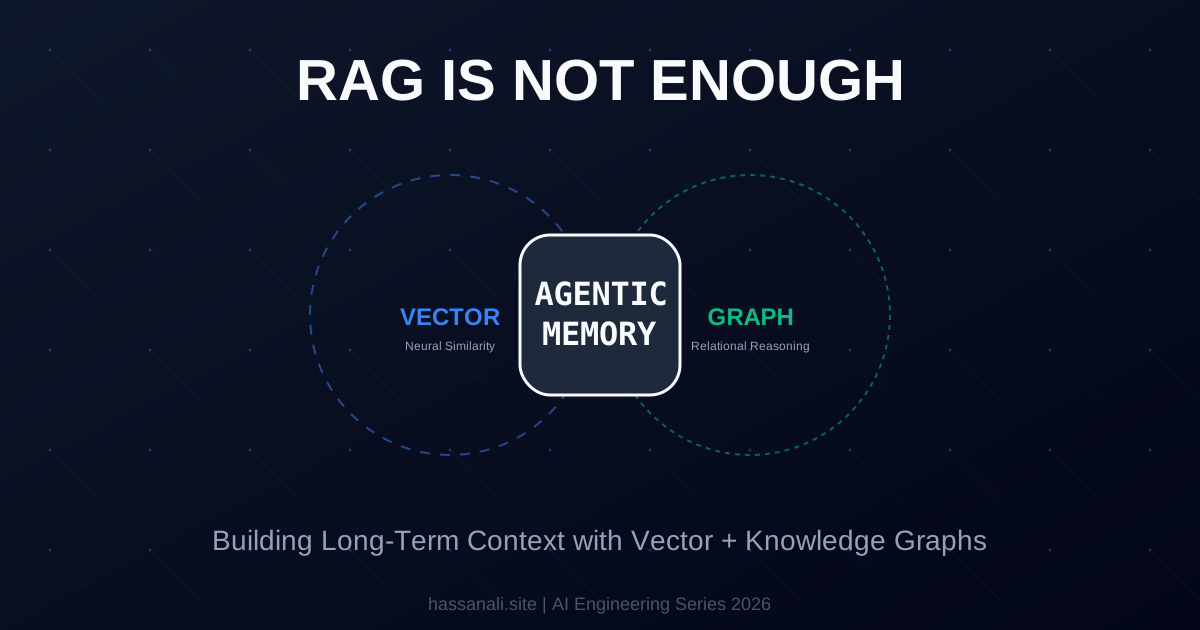
Local SLMs as Life-Archivists: Personal Knowledge Management in 2026
I remember the “Folder Fetish” of 2022. I spent dozens of hours perfectly categorizing my Obsidian vault—tags, folders, MOCs (Maps of Content), and complex linking systems. I felt productive, but I was just a highly-organized librarian of my own ignorance.
In 2026, I’ve abandoned folders entirely. I don’t “organize” my life anymore; I embed it.
Welcome to the era of Local SLMs as Life-Archivists. In this guide, we’re replacing manual PKM (Personal Knowledge Management) with autonomous, private intelligence.
What You’ll Learn
In this 2026 blueprint, we’re building your “Sovereign Second Brain.”
- The Death of the Tag: Why semantic indexing beats manual organization.
- Reasoning over Records: Moving from “Finding a file” to “Synthesizing an idea.”
- The Life-Archivist Stack: Ollama, ChromaDB, and AnythingLLM.
- Privacy as a Feature: Building a multi-decade archive without a cloud login.
The Folder is a Legacy Interface
Folders and tags were created because computers couldn’t “read.” We had to provide metadata so the machine could find the file.
In 2026, local LLM indexing has made metadata redundant. A Small Language Model (SLM) like Llama 3.2 3B or Mistral 7B can “read” your entire archive of 5,000 PDFs and 10,000 notes in a few hours. It understands that a note about “Latency in Rust” is semantically related to a paper on “High-Frequency Trading,” even if they share no common tags.
The Life-Archivist doesn’t care where the file is. It cares what the file means.
From Search to Synthesis
The biggest shift in Personal Knowledge Management 2026 is the move from “Information Retrieval” to “Information Synthesis.”
- The Old Way: You search for “HFT” and scroll through 50 files to find a specific thought.
- The Life-Archivist Way: You ask your Personal OS, “What are the top three risks I identified in my HFT research last year?”
The local SLM performs a Local-First RAG query, retrieves the most relevant chunks from your private vault, and synthesizes a direct answer. It provides citations from your own journals, emails, and code comments. You aren’t just “finding” data; you are having a conversation with your past self.
The 2026 Life-Archivist Stack
To build your sovereign archive, you need a stack that doesn’t leak. Here is my recommended 2026 setup:
- The Inference Engine (Ollama): The background engine that serves your models. It is the “Docker for LLMs.”
- The Reasoning Kernel (Phi-4 Mini or Llama 3.2): High-efficiency models that fit into 4GB of RAM but offer frontier-level reasoning.
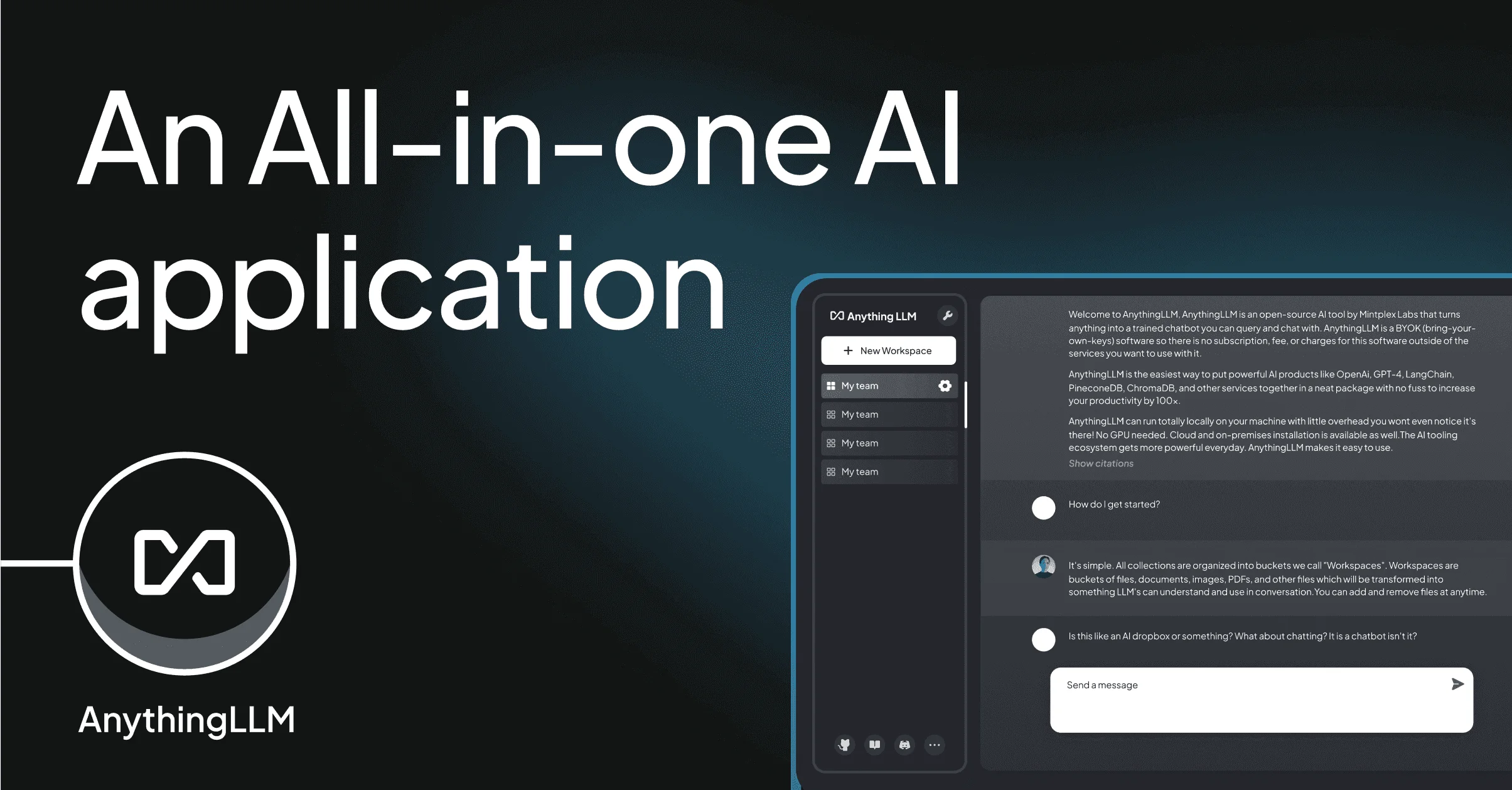
- The Frontend (AnythingLLM or LM Studio): These tools provide the UI and the “Local RAG” engine that connects your models to your local folder of files.
- The Storage (Vector DB): ChromaDB or Qdrant, running locally, to store the high-dimensional vectors of your life’s data.
Conclusion: Designing for the Multi-Decade View
If your personal knowledge lives in Notion or Evernote, your legacy is at the mercy of their business model and privacy policy.
By using Local SLMs as Life-Archivists, you are building a multi-decade, sovereign archive. Your data remains in your control, and as local models get smarter, your “Second Brain” gets smarter with them—without you ever having to reorganize a single folder.
TL;DR
- Embed, don’t tag: Let the machine handle the organization via semantic indexing.
- Synthesis is the goal: Use RAG to query your life, not just search it.
- Own the stack: Use local tools like Ollama and AnythingLLM for 100% privacy.
- Bottom line: Your Life-Archivist is the only librarian that will never quit or sell your data.
Ready to take the next step in sovereignty? Check out my guide on Privacy by Design to learn how to air-gap your most sensitive workflows.