The Personal OS: Building your Private Intelligence Layer
I remember the “App Fatigue” of 2024. My life was scattered across 15 different SaaS tools—Notion for notes, Slack for chat, Jira for tasks, and five different AI sidebars that didn’t talk to each other. I was the “Integrator-in-Chief,” manually moving data between silos.
In 2026, the paradigm has shifted. I don’t “use apps” anymore. I orchestrate a Personal OS.

The Personal OS is your private intelligence layer. It is an invisible, unified environment that knows your data, understands your goals, and dispatches autonomous agents to execute tasks while you sleep.
What You’ll Learn
In this foundational guide, we’re moving from “Software as a Service” to “Sovereign Intelligence.”
- The Private Layer: Why your Personal OS must live on your own silicon.
- The Vault: Building a machine-readable “Second Brain” with local RAG.
- Action Orchestration: Using Large Action Models (LAMs) to kill the “App Silo.”
- The Context Engine: How your OS learns your “Vibe” without leaking telemetry.
The App Silo is Dead
Traditional software is built for humans to click. This creates silos. Your email doesn’t know what’s in your calendar, and your notes don’t know what’s in your bank account.
A Personal OS breaks these walls by sitting above the interface. It uses Agentic Engineering to treat every app as a tool. Instead of you opening Chrome to book a flight, you tell your OS: “I need to be in Dubai next Tuesday for the Fintech summit.”
The OS doesn’t just “show” you a link; it navigates the sites, checks your loyalty points, cross-references your calendar for meetings, and presents you with a single “Confirm” button.
The Foundation: Your Personal Data Vault
The heart of your Personal OS is the Vault. This is a secure, encrypted repository of your life—emails, PDFs, codebases, and meeting transcripts.
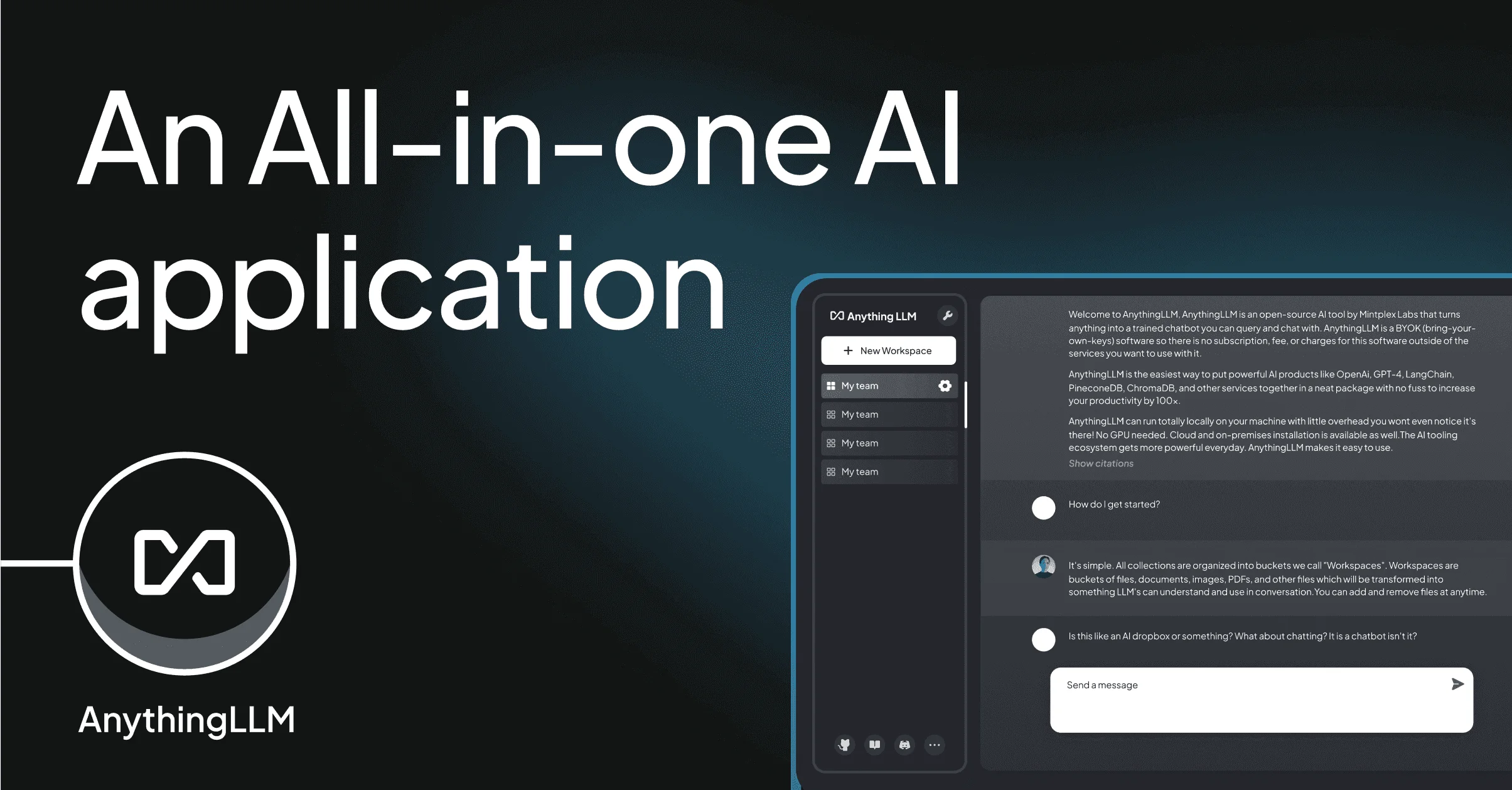
In 2026, we don’t store this in the cloud. We use a Personal Data Vault with local RAG. Using tools like AnythingLLM or SurrealDB, your local models index this data entirely offline.
When you ask your OS, “What was that idea I had about sovereign HFT three months ago?”, it doesn’t search for keywords. It traverses your private knowledge graph to find the exact concept, providing a perfect citation from your own memory.
Orchestration: Local LLMs as the Kernel
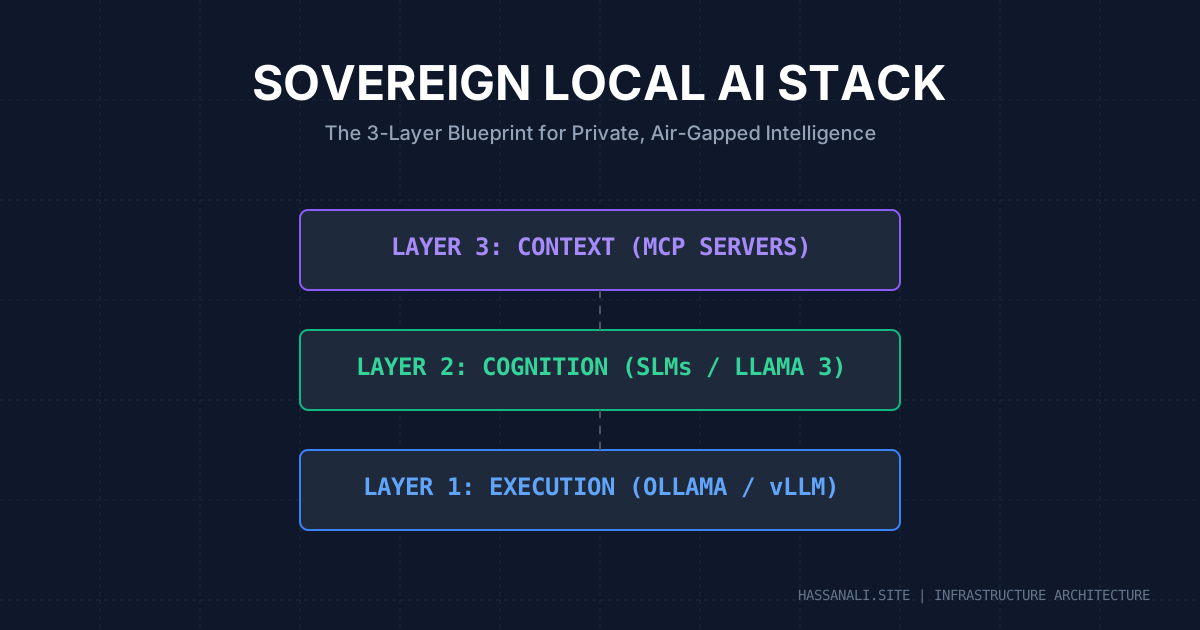
A 2026 Personal OS uses local LLM orchestration as its kernel.
Instead of one “God Model,” your OS deploys a fleet of specialized Small Language Models (SLMs):
- The Planner: Decomposes your high-level goals into technical steps.
- The Operator: Interacts with your local APIs and MCP servers.
- The Guardian: Monitors your agents for security and policy compliance.
By running these locally on your Sovereign AI Stack, you eliminate the latency and “telemetry tax” of cloud providers. Your intelligence is no longer rented; it is owned.
Conclusion: The Sovereign Individual
Building a Personal OS is the ultimate act of digital sovereignty. It moves you from being a “User” (who follows the rules of the platform) to a “Governor” (who sets the rules for the machine).
In the age of the $100M Individual, the person with the most efficient Personal OS wins. They don’t work harder; they provide better context to a more powerful machine.
TL;DR
- Apps are Tools, not Silos: Your OS should orchestrate apps, not the other way around.
- Own your Memory: Use a Personal Data Vault with local RAG to keep your data private.
- Local is the Kernel: Use local SLMs to manage your daily digital workflows.
- Bottom line: Your Personal OS is the “Private Brain” that scales your output infinitely.
Ready to automate the execution layer of your OS? Check out my guide on Agentic Automation to see how to replace Zapier with local n8n loops.