Why Israel Is Trying to Sabotage the US-Iran Peace Deal
On June 17, 2026, Donald Trump and Masoud Pezeshkian signed the Islamabad MoU from the Palace of Versailles.
The deal promised to end fighting on all fronts — including Lebanon — and reopen the Strait of Hormuz.
Hours later, Israeli artillery hit Nabatieh al-Fawqa in southern Lebanon.
This didn’t come out of nowhere. The war started on February 28 with the assassination of Ayatollah Khamenei. Four months of fighting later, here’s where things stand: Benjamin Netanyahu got sidelined by his own closest ally. Tehran says Israel’s continued attacks in Lebanon break the deal. And reports now talk about Israel actively trying to sabotage the whole thing.
The rift between Washington and Jerusalem hasn’t been this bad in decades.
What the Islamabad MoU Actually Says vs. What Israel Demanded
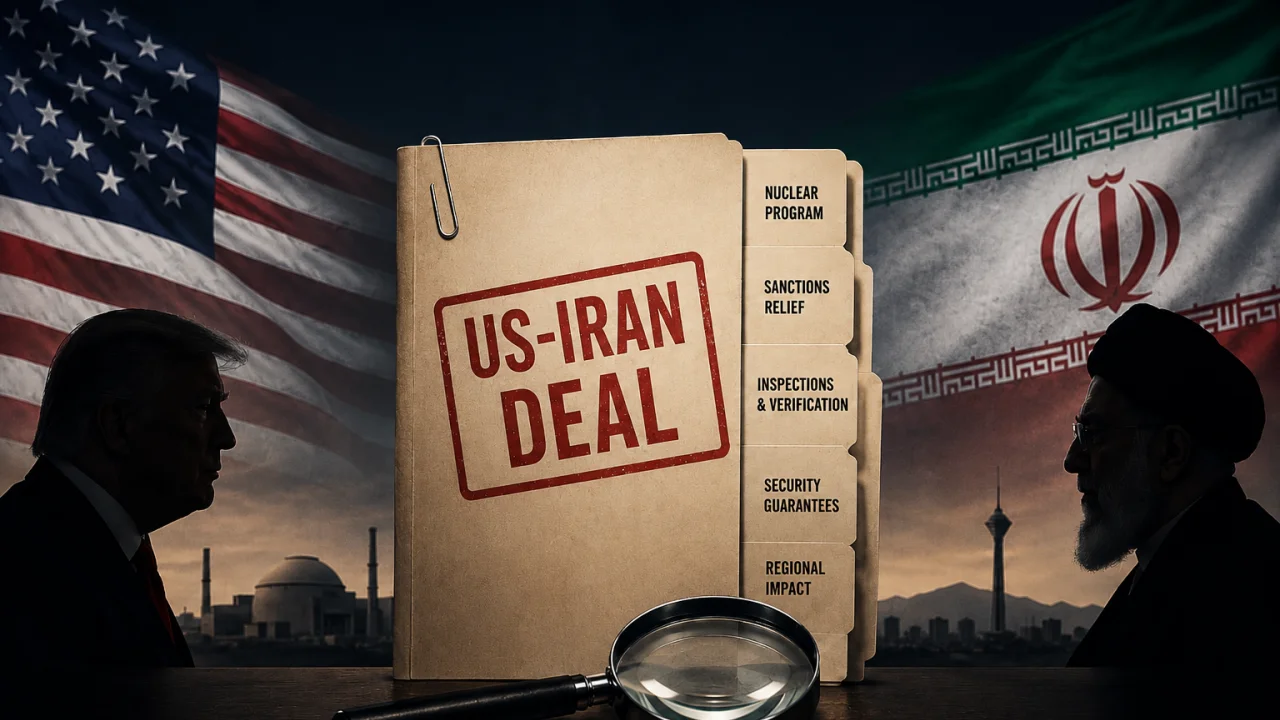
The 14-point framework — brokered by Pakistani PM Shehbaz Sharif and Qatar — defers the hardest issues to a 60-day negotiation window in Switzerland. Here is exactly where Washington and Jerusalem diverge on nearly every material point:
| Issue | US-Iran MoU (Islamabad Accord) | Israel’s Demand |
|---|---|---|
| Nuclear Material | On-site down-blending of enriched stockpile under IAEA supervision (“minimum methodology”) | Total dismantlement of all enrichment infrastructure; zero centrifuges |
| Regime Status | Survival of the Islamic Republic; $300bn reconstruction fund + unfrozen assets | Regime collapse or capitulation |
| Ballistic Missiles | Not addressed in the MoU; deferred to final deal talks | Complete elimination of Iran’s missile program |
| Lebanon | Paragraph 1: permanent termination of military operations “including in Lebanon”; guarantees territorial integrity and sovereignty | Indefinite Israeli occupation of southern Lebanon “security zones,” per Defense Minister Israel Katz |
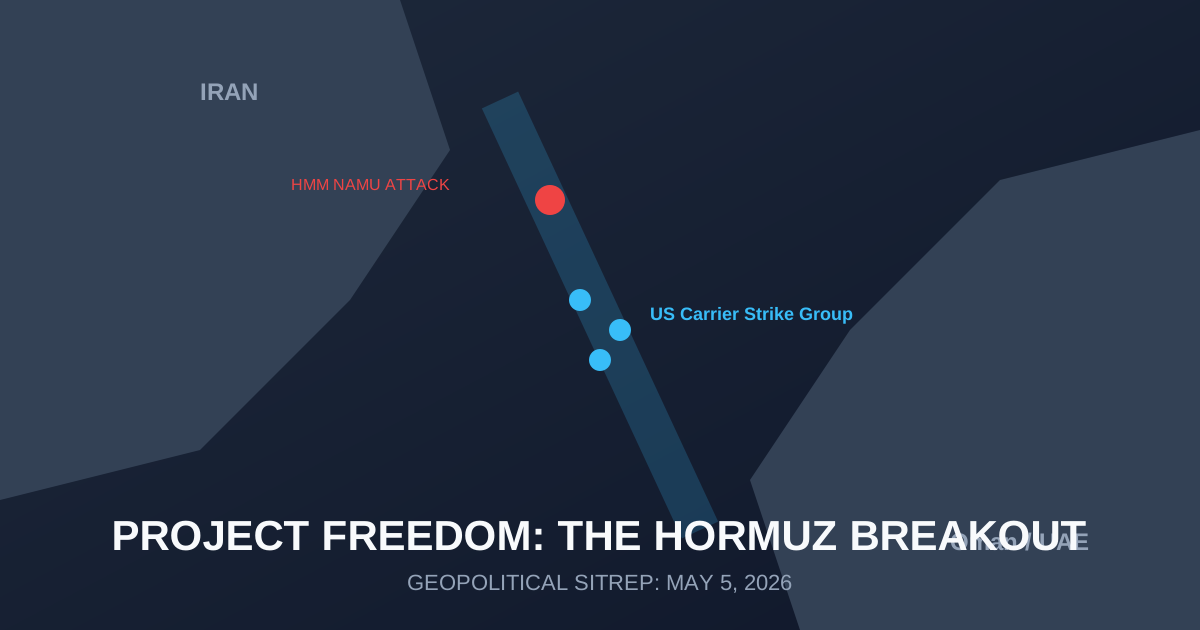
| Strait of Hormuz | Iran reopens immediately; no tolls for 60 days; future administration negotiated with Oman — a sharp reversal from the Project Freedom naval breakout in May | Permanent international control; no Iranian revenue from the waterway |
| Sanctions | US commits to terminating all sanctions — UNSC, IAEA, unilateral primary and secondary — on an agreed schedule | Maximum pressure maintained until full Iranian capitulation |
“The emerging agreement does not achieve any of Israel’s war objectives. The regime survives, the missile program remains intact, and Iran will be able to rebuild its nuclear program. This is a total failure by Netanyahu.” — Yair Lapid, opposition leader, June 13, 2026
Why Lebanon Is the Breaking Point
The MoU mentions Lebanon three times in its first paragraph alone.
Iran’s spokesperson Esmaeil Baqaei was very clear: ending the war in Lebanon is “an integral part” of the deal. Any agreement has to respect Lebanon’s sovereignty and territory.
Netanyahu sees it differently.
In his first press conference in three months, he said Israel won’t leave southern Lebanon. Defense Minister Israel Katz went further — Israeli forces will stay “indefinitely” in what he called “security zones”.
Here’s what happened in the days around the signing:
- June 13: Israel hits Nabatieh, Tyre, and Bint Jbeil. Five people killed. Trump says a deal is hours away.
- June 14: Israel bombs Beirut’s Dahiyeh. Iran’s top negotiator Mohammad Bagher Ghalibaf hits back: “If you can’t keep your promises, there’s no point talking.”
- June 16: Drones kill four more in Nabatieh. Iran’s Foreign Minister Abbas Araghchi says any Israeli presence in Lebanon breaks the agreement.
- June 17: Trump signs at Versailles. Hours later, Israeli artillery hits Nabatieh al-Fawqa again.
Ghalibaf — the guy who signed the MoU for Iran — keeps warning that strikes in Tyre and Nabatieh violate the deal. The IRGC’s central command already linked its missile attack on Ramat David airbase to “killing and displacement of people in Tyre and Nabatieh.”
Why This Puts Netanyahu in a Tough Spot
Paragraph 1 of the MoU makes the US — not Israel — responsible for the Lebanon ceasefire.
Tehran’s position, according to Baqaei, is simple: America “bears full responsibility” for the deal. If an American ally breaks it, that’s still on Washington.
This puts Trump in a bad position. If Israel hits Lebanon, Iran calls it a US violation.
Trump has already called Netanyahu “f---ing crazy” on the phone and told him to use a “softer touch” in Lebanon. You don’t often see a US president talk about a sitting ally like that.
What the 60 Days in Switzerland Actually Mean
Kenneth Katzman from The Soufan Center (he spent 30 years at the Congressional Research Service analyzing Iran) says the next two months are everything.
As Soufan Center analysis explains, we won’t know if the war achieved its goals until we see what comes out of these 60 days. The big question is whether Iran’s path to a nuclear weapon gets blocked. But there’s a real risk that window closes before real nuclear talks even start — if Israel keeps hitting Lebanon and Iran calls the whole thing off.
The Bottom Line
The US cut Israel out of negotiations entirely. Denied their request to even see the draft text. Then signed a deal that puts reopening the Strait of Hormuz above Israeli security concerns.
You’d have a hard time finding anyone in Israeli politics who likes this deal. Ben-Gvir and Smotrich on the far right hate it. Lapid in the opposition calls it a catastrophe. Pretty much everyone blames Netanyahu.
The nuclear question got pushed to the 60-day talks. That means Iran keeps its enriched material for now, and Israel has no way to stop it.
What’s most likely to break the whole thing? Continued Israeli operations in Nabatieh, Tyre, and the south. Every strike gives Tehran a reason to say Washington isn’t keeping its word.
The Islamabad MoU might end the US-Iran war. But it’s started a new one — between Washington and Jerusalem — over what “ending the war on all fronts” really means.
TL;DR
- The Islamabad MoU caused the biggest US-Israel split in decades. Washington shut Netanyahu out of the talks entirely.
- Paragraph 1 names Lebanon three times. It makes the US responsible for the ceasefire, not Israel. That gives Tehran a direct line to accuse America of breaking the deal.
- If Israel keeps hitting Nabatieh and Tyre, Iran will treat that as a breach. That puts the 60-day Swiss talks at risk before nuclear discussions even start.
- The real question is whether Trump moves from angry words to real action — like withholding aid — to force Israel to follow the Lebanon clause.
Disagree? Have a different take? Subscribe to my newsletter and let’s argue — I respond to every email.
Found this valuable? Share the insight.