Project Freedom: The High-Stakes Naval Breakout in the Strait of Hormuz (May 2026)
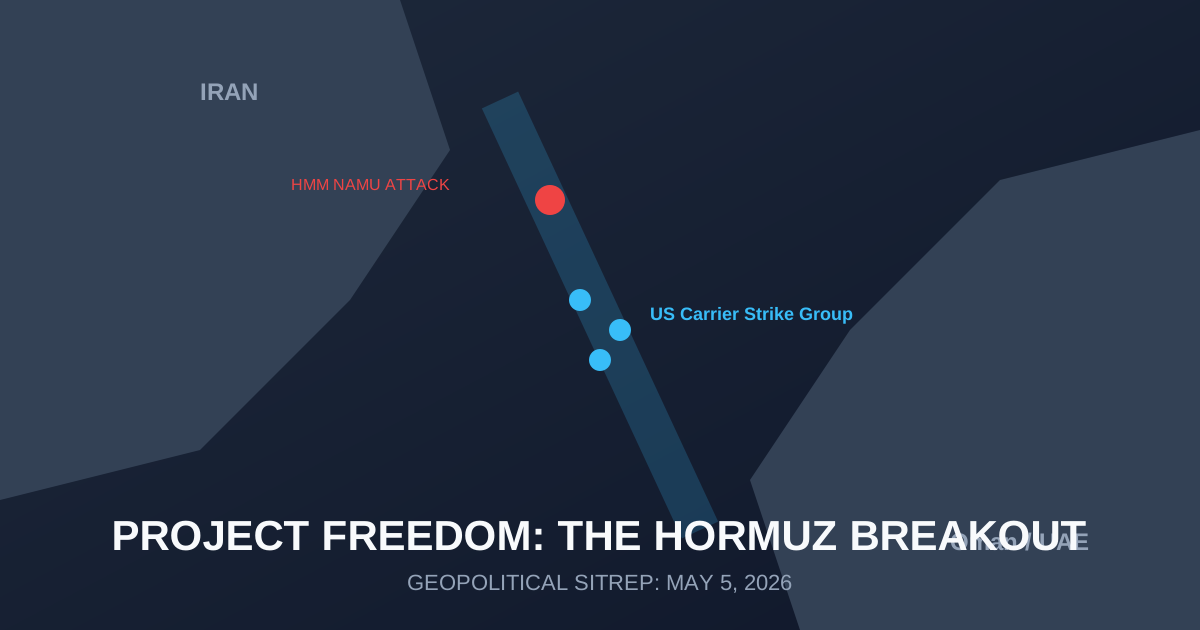
The fragile peace of April 2026 is officially over. At 04:00 UTC on May 4, the U.S. Navy initiated “Project Freedom”—a massive, coordinated breakout operation designed to shatter the Iranian blockade of the Strait of Hormuz.
Intelligence reports indicate over 15,000 personnel and a primary Carrier Strike Group have entered the chokepoint, marking the most significant naval escalation in the region since the late 20th century.
The Trigger: Collapse of the April Ceasefire
The escalation follows weeks of “shadow warfare” that culminated in the May 4 attack on the HMM Namu, a South Korean merchant vessel. The ship was targeted by what maritime security firms describe as a “swarm of high-speed explosive drones” while navigating the eastern transit lane.
Within hours of the attack, President Trump announced the launch of Project Freedom, declaring that “The world’s energy circulatory system will no longer be held hostage by regional aggression.”
Phase 1: The Mechanics of “Project Freedom”
Unlike previous escort missions, Project Freedom is an Active Denial operation. It isn’t just about protecting individual ships; it’s about establishing a “Sovereign Transit Zone” through the 33km-wide chokepoint.
- The Kinetic Layer: U.S. Destroyers have established a 5-mile exclusion zone around all “Freedom-Registered” vessels.
- The Electronic Layer: Massive jamming of Iranian coastal radar and drone command frequencies has been reported along the Musandam Peninsula.
- The Diplomatic Fallout: Iran has condemned the operation as a “declaration of total war” and has threatened to activate its 14-point “Closure Protocol,” which includes mining the deeper channels.
Phase 2: Market Impact — The $126 Oil Spike
The financial markets have reacted with predictable ferocity. Brent crude experienced a “Vertical Move” on May 5, hitting a peak of $126.41/bbl before profit-taking and strategic reserve release rumors pulled it back to $114.
We are seeing a hard decoupling in market sentiment. While Big Tech earnings are creating an AI Eclipse, the energy-inflation drag from Hormuz is a “Stagflationary Anchor” that threatens the broader economy.
The “War Premium” Data
| Asset | 24H Change | 2026 Context |
|---|---|---|
| Brent Crude | +12.4% | Highest volatility since 2022 |
| Gold (XAU) | +3.1% | Approaching $2,800 resistance |
| USD/JPY | -1.8% | Safe-haven yen bid accelerating |
| Maritime Insurance | +500% | Underwriters withdrawing from Gulf coverage |
Phase 3: The UAE Port Strike & Regional Spillover
The conflict is no longer contained to the water. Early May 5 reports confirm a drone strike on the Fujairah port infrastructure (UAE), a critical bunkering hub. While the UAE’s interceptors neutralized 80% of the incoming wave, the psychological damage is done. Regional supply chains are effectively severed.
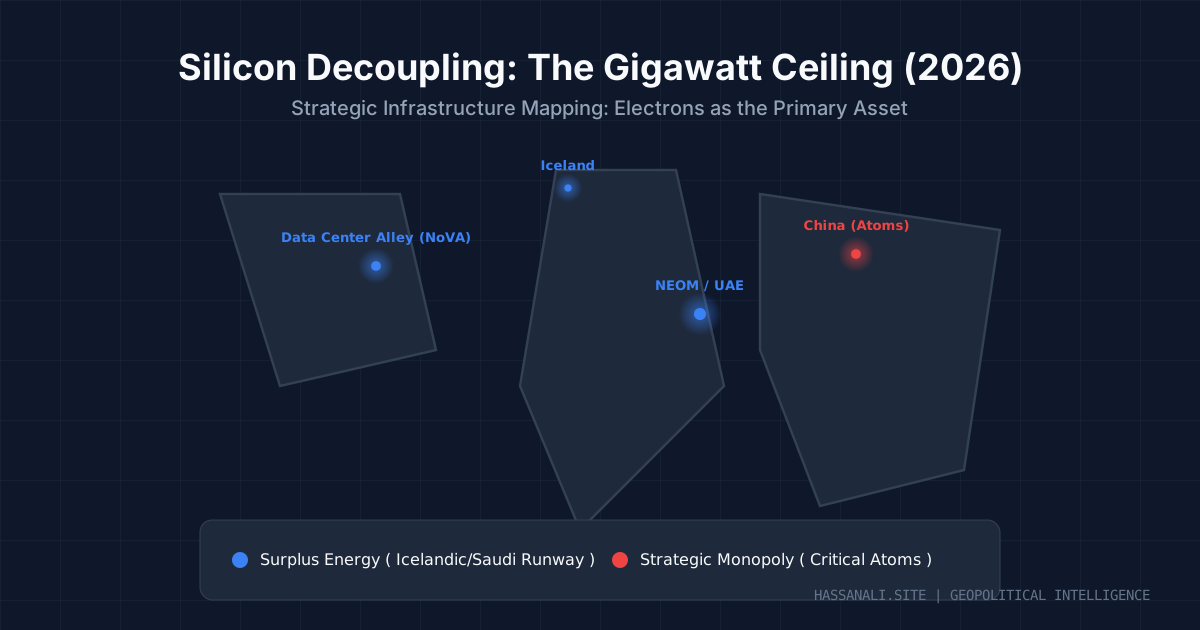
This is a direct hit to the Silicon Decoupling infrastructure we analyzed last month. If regional stability isn’t restored, the energy-heavy AI clusters in the Middle East face a massive operational risk.
Scenario Planning: What Happens Next?
Based on current troop movements and naval positioning, we see three likely paths for the next 72 hours:
- The “Toll Road” Standoff: Iran backs off from direct naval engagement but continues “Shadow Harassment” via proxies, keeping oil prices permanently above $110.
- The “Hormuz Burn”: A direct clash between a US Destroyer and an Iranian coastal battery leads to the sinking of a high-value asset, triggering a full-scale regional air campaign.
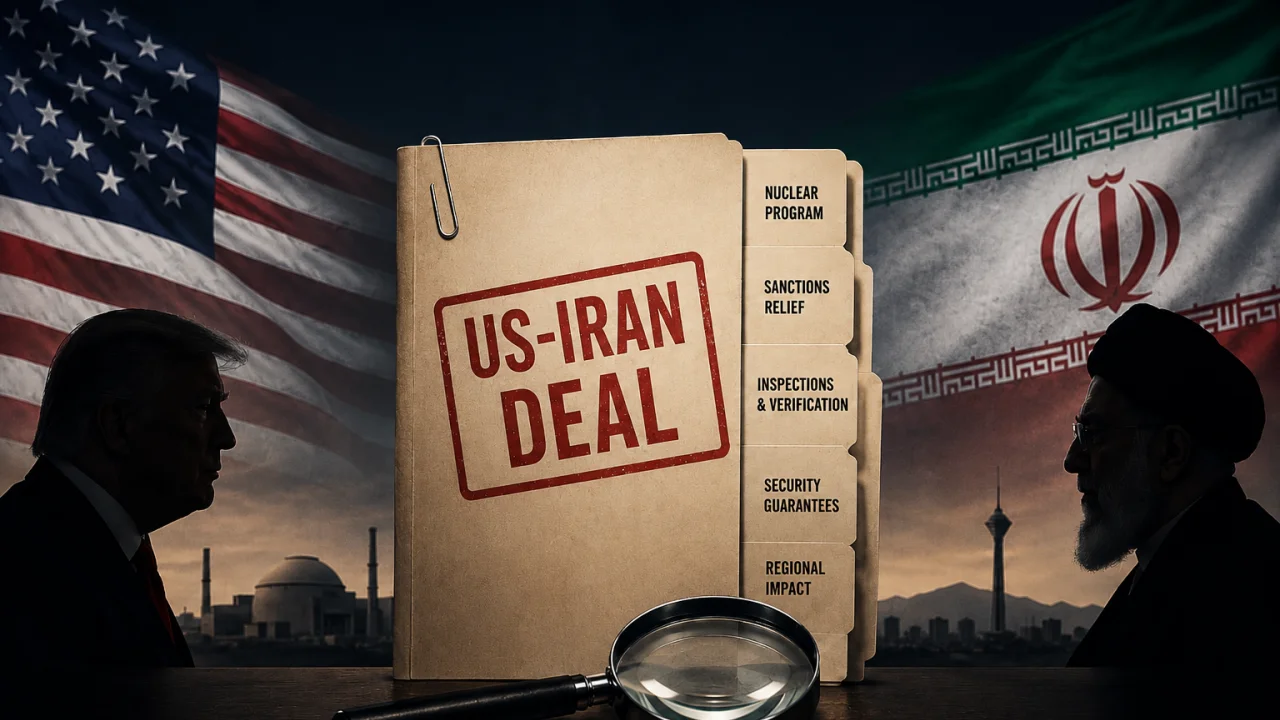
- The “Sovereign Resolution”: Regional powers (Saudi, UAE, Turkey) broker a direct line between Washington and Tehran, trading sanctions relief for a permanent shipping corridor.
The Bottom Line
Project Freedom is not just a military operation; it is a test of Infrastructural Sovereignty. In a world of Sovereign Agentic Stacks, physical bottlenecks remain the ultimate vulnerability.
The Strait of Hormuz is the world’s most dangerous 33 kilometers. Today, it’s also the world’s most expensive.
This is a developing story. For real-time updates and deep-dives into the macro-economic fallout, subscribe to the newsletter below.
Found this valuable? Share the insight.